Trees...and Forest Bathing. What is it anyway?
Karen Hamilton | APR 14, 2021
forest bathing
mindfulness
Trees...and Forest Bathing. What is it anyway?
Karen Hamilton | APR 14, 2021
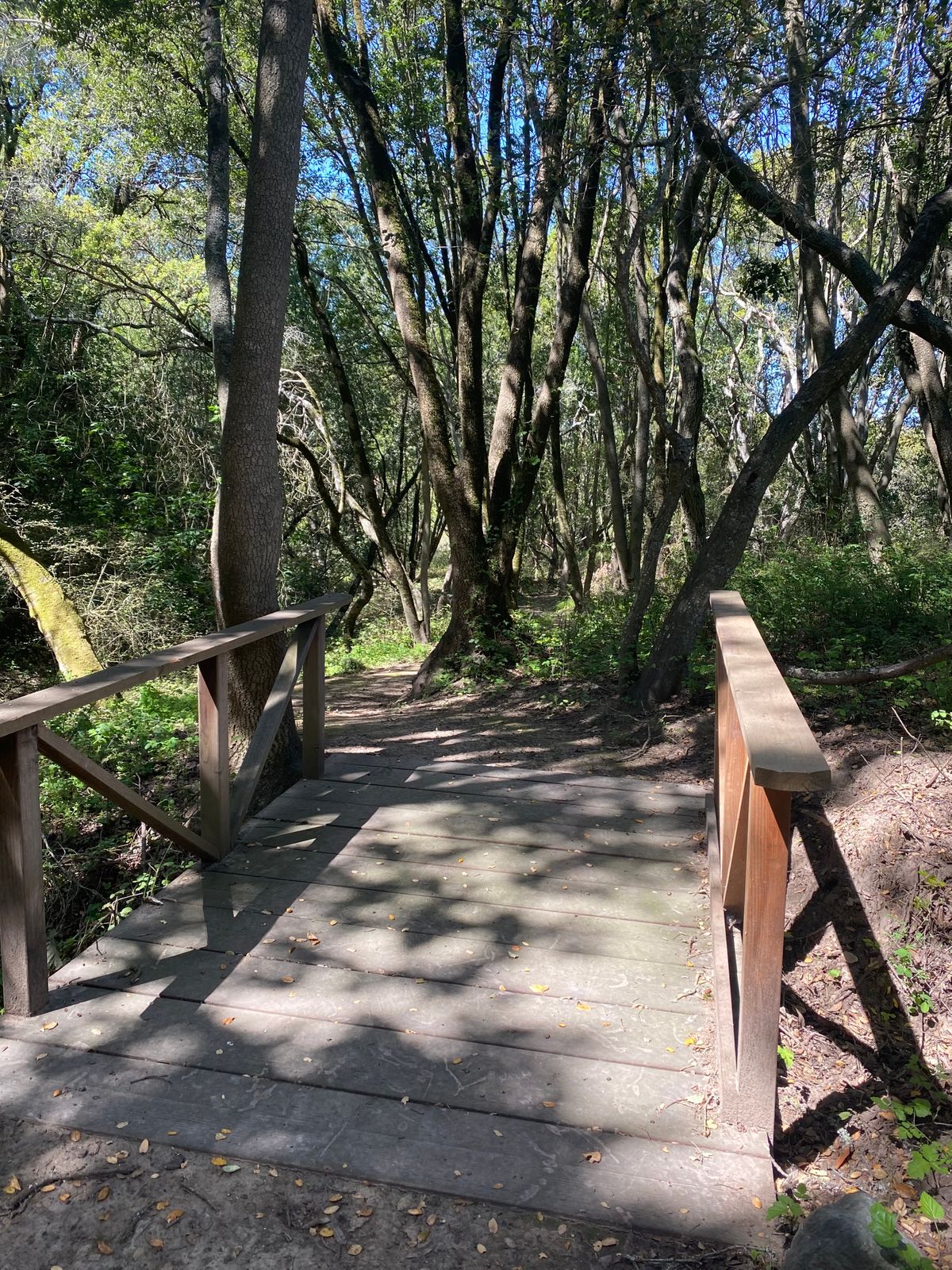
“Trees are poems that the earth writes upon the sky,” Khalil Gibran.
I was reading a very interesting article on kripalu.org about trees and I found it deeply thought provoking.
On my recent stay in Northern CA, I was fortunate to be close to a wooded area that I could walk in every day. The picture above was one I took when I decided to take advantage of these trees and experience Forest Bathing.
Forest Bathing, known as Shinrin-Yoku in Japan, is a practice of connecting with the forest. In Japanese, “shinrin” means forest, and “yoku” means bath. More about that in a minute but first read this engaging article about trees published on the Kripalu site.
Here are four fresh ways to look at trees by Noel O’Shea
“In the last five years, scientists have discovered amazing activity between trees,” says Noel, who works with arborists and tree surgeons to preserve forest and plant and rejuvenate trees. According to new research by forester and University of British Columbia professor Suzanne Simard, leader of the Mother Tree project, trees interact and communicate to help one another flourish, using an underground network that she compares to the neurons in the brain.
“They’ve kept us alive for millions of years, sharing so much bounty that we take for granted—shelter, food, tools, furniture, paper, currency, medicine,” Noel says. “Trees have walked with man since the beginning of time. They’re the most unselfish beings on the planet.” And they also hold the key to our future. “They are part and parcel of addressing climate change,” Noel says.
Time spent in nature, especially in forests rich in conifers, exposes us to a class of naturally occurring, highly beneficial chemicals called phytoncides, which have been shown to reduce blood pressure and the stress hormone cortisol, and improve immune function by building the natural killer (NK) cells that fight disease.
Japan has been well ahead of the curve in recognizing this. In the 1980s, Japanese mental health experts prescribed a nature therapy called shinrin-yoku, which translates as forest bathing, to help restore balance.
“These results are lasting and measurable up to a month following a single two-hour forest bathing experience,” says Mark Roule, faculty member for the Kripalu School of Mindful Outdoor Leadership.
“So many of us take in trees with one glance—we think of them as static because they don’t move around,” says Nancy Hugo, who has been studying and writing about trees for 40 years. But when we take time to really see them, trees offer an avenue into cultivating seasonal awareness and mindfulness, Nancy says. “We can pay attention to the subtleties that come between the markers that most people notice, which is whether the leaves are out or not. It’s deeper and richer to know that the tiny bud scales that are falling off the beeches are also making a sound and, if you get quiet enough, you can hear it.”
If you would like to hear about Forest Bathing here is an excellent link from the New York Botanic Gardens. https://www.nybg.org/event/forest-bathing-a-meditative-audio-experience/
Listen to this 10 minute audio and then take a walk in a wooded area near you! Take a little time out and take yourself on this ancient Japanese experience.
Karen Hamilton | APR 14, 2021
Share this blog post
 OfferingTree