This is your brain on meditation
Karen Hamilton | JUL 25, 2021
meditation
mindfulness
yoga and mindfulness
yoga and meditation
benefits of meditation
This is your brain on meditation
Karen Hamilton | JUL 25, 2021
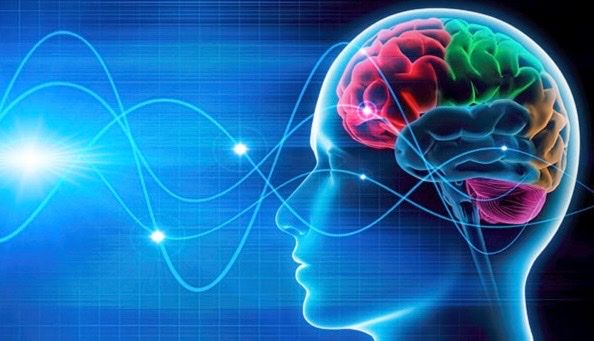
You've read about the benefits of a daily meditation practice. But what exactly is happening inside your body to produce these profound affects? Thanks to research done using fMRI scans of the brain, we know. Rebecca Gladding, MD, a psychiatrist and co-author of "You Are Not Your Brain", sheds some light on what's going on in your gray matter when you meditate.
When you start to meditate, your brain jumps from one thought to the next. One of the reasons for this "monkey mind" is that this part of the brain is always active - unless we learn how to activate other areas (which is what a regular meditation practice does).
"Interestingly, this part of the brain runs everything through a lens of 'me'" Gladding says. And it can prompt you to catastrophize. You might remember you said something at work and then think, "I'm going to get fired", she says. Or, rather than brushing off a pain in your hip, you might jump to the (unlikely) possibility that you need a hip replacement. This all happens when your ventromedial prefrontal cortex activates.
Once you start to focus your attention - whether it is on your breath, a mantra, your footsteps, chakras, or a soothing voice guiding your meditation, your lateral prefrontal cortex activates - and overrides the "me" thoughts in favor of a more rational, logical, balanced position. "This part of the brain helps you see things neutrally," Gladding says. Which helps you settle into your meditation. Even better, the more you meditate, the more active your lateral prefrontal cortex becomes - and the quieter the ventromedial prefrontal cortex (the "me" center that tends to catastrophize) gets.
After 8 to 12 weeks of meditating, your dorsomedial prefrontal cortex gets activated. This is the part of the brain that helps us develop empathy. "It's why the more we meditate, the more empathetic we become in life," says Gladding. "This part of the brain becomes more active, more of the time." -taken from Yogajournal.com-
So, if I were to try to quickly summarize and simplify, when you meditate, your brain begins to shift power from the portion that creates anxiety and unrest, moves to using more of the rational part of the brain which can override the "me, me me", and then allows the part of your brain that resides in calmness and empathy to reign.
I think that sounds pretty good!
Let's meditate.
Karen
Karen Hamilton | JUL 25, 2021
Share this blog post
 OfferingTree