How Your Protein Needs Change as You Age
Karen Hamilton | MAY 26, 2025
How Your Protein Needs Change as You Age
Karen Hamilton | MAY 26, 2025
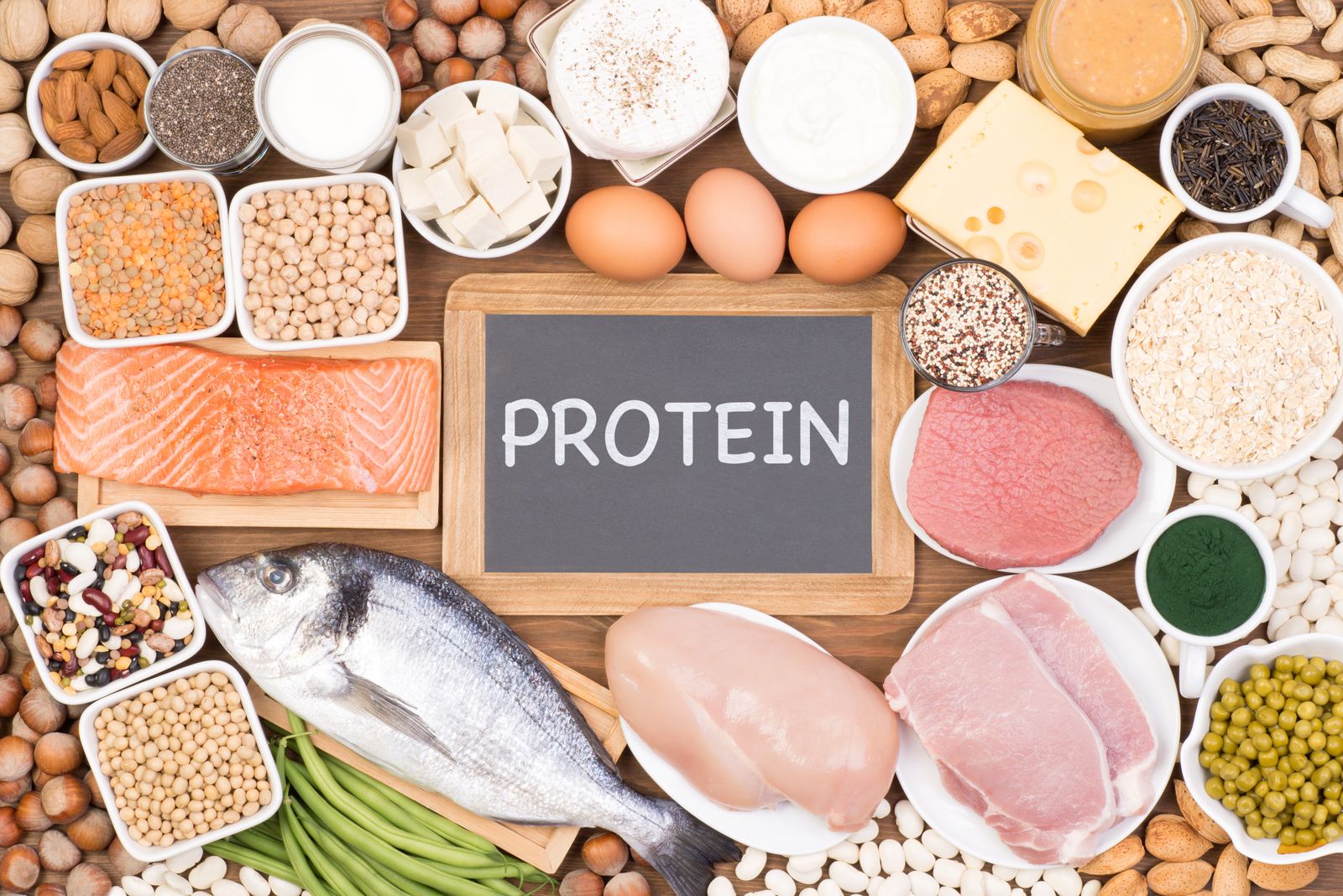
Your protein requirements will fluctuate throughout your life. Here’s a stage-by-stage guide to help you hit your goals.
Most people in the United States get plenty of protein each day. But that’s not a reason to stop paying attention to it, experts say.
Protein is essential for every function in your body, whether it’s building muscle, bone and collagen, digesting food or fighting infections, said Glenda Courtney-Martin, a nutrition scientist at the University of Toronto.
And how much you need fluctuates throughout your life, depending on how old you are, your body size and other circumstances. Sometimes, you may fall short without realizing it, said Stuart Phillips, a muscle physiologist and nutrition researcher at McMaster University in Ontario, Canada.
Federal guidelines published in 2005 recommend a daily intake for protein based on your age and weight, though more recent research has suggested that these amounts should be a little higher for optimal health, Dr. Phillips said.
Here’s how your protein needs change as you move through life.
We have to eat protein every day, in part because old proteins get damaged or worn out, and new ones must replace them, Dr. Phillips said — similar to swapping out old bricks in a crumbling wall.
Babies, older children and teenagers are constantly growing, so they need more protein than adults do in proportion to their body weight, Dr. Courtney-Martin said.
By around age 17 or 18, your body usually stops growing and your protein requirements settle to more of a maintenance level — just enough to replace your worn out “bricks,” Dr. Phillips said.
Among aged 19 to 50, less than 10 percent of men don’t get the recommended amount of protein each day, and between 10 and 25 percent of women fall short.
Certain people, Dr. Phillips said, such as those who do regular strength or endurance training, or those who are pregnant or breastfeeding, may require up to twice as much proteinas recommended by federal guidelines.
Protein recommendations for older adults are currently the same as those for younger adults, but some evidence suggests that those 65 and older may benefit from consuming more — at least 0.45 to 0.54 grams per pound, said Denise K. Houston, a professor of gerontology and geriatric medicine at Wake Forest University School of Medicine.
For a 185-pound adult, this higher recommendation translates to 84 to 101 grams of protein per day. You can get about that much if you eat one cup of cottage cheese, a cup of tuna salad on whole wheat bread, and a six-ounce chicken breast in one day. As with younger adults, regularly lifting weights, running or doing other vigorous activities will further increase the protein needs for older adults. You’ll also require more if you’re recovering from an infection, hospitalization, surgery or a period of bed rest, Dr. Phillips said.
Studies have also shown that aging muscles are less efficient at using protein to make new muscle fibers, Dr. Phillips said. And among those aged 71 and older, about 50 percent of women and 30 percent of menaren't even meeting the lower federal recommendations for protein.
One caution, Dr. Houston said: Those with chronic kidney disease or otherwise impaired kidney function are often advised to watch how much protein they eat because consuming protein makes your kidneys work harder. Such people should work with their health providers to plan a balanced diet, she said.
Karen Hamilton | MAY 26, 2025
Share this blog post
 OfferingTree